Maintenance tips to keep your EV battery healthier for longer
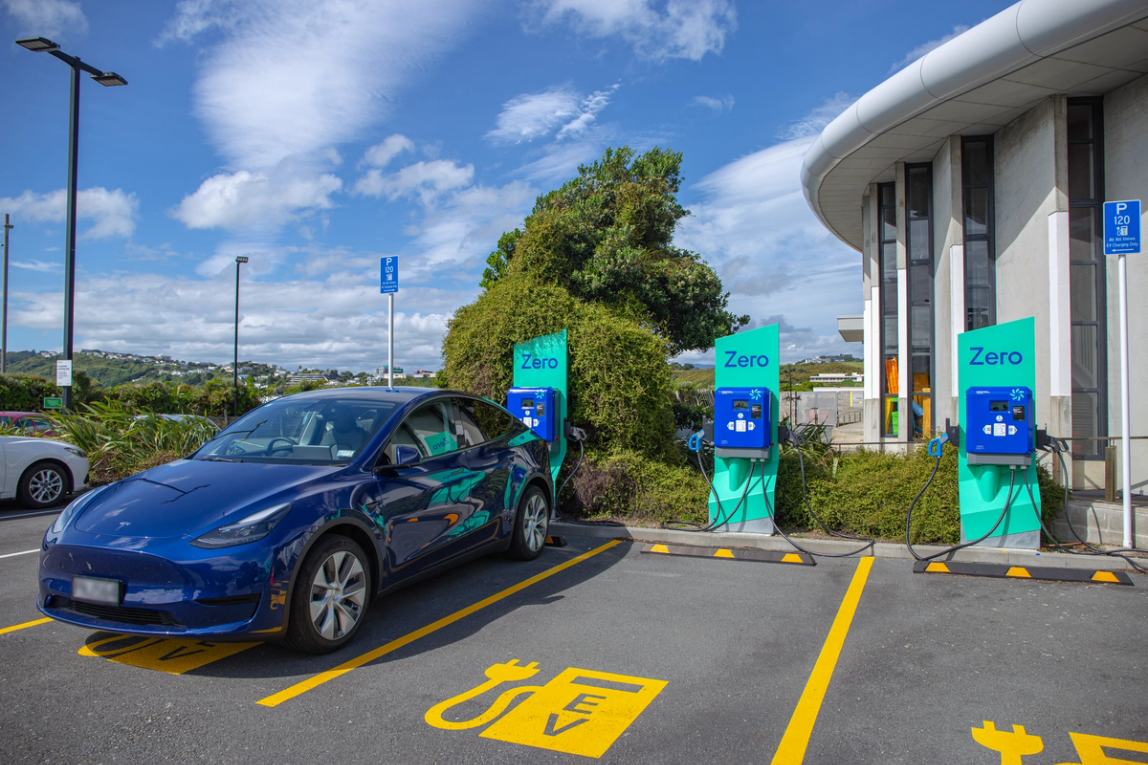
EV ownership changes what you pay attention to on the road.
Instead of watching a fuel gauge drop, you start noticing temperature, terrain, tyre pressure and how smoothly you’re driving. You also realise pretty quickly that battery health isn’t some complicated science project. It’s mostly about everyday habits that make your car nicer to drive and cheaper to run!
The good news, modern EV batteries are far more robust than many people think. A lot of the horror stories floating around come from early models or outdated assumptions. With today’s vehicles, a few simple patterns will keep the battery performing well for years.
What battery health actually means
When people talk about battery health, they’re usually talking about two things. How much usable range the battery still delivers compared to when the car was new, and how consistently it charges and performs without being pushed into uncomfortable temperature extremes.
A healthy battery is one that spends most of its time in its comfort zone. Modern EVs actively manage this through thermal systems that heat or cool the battery as needed. That means you don’t have to micromanage it, but your driving and charging habits still make a difference over time.
The 20 to 80 habit that does most of the work
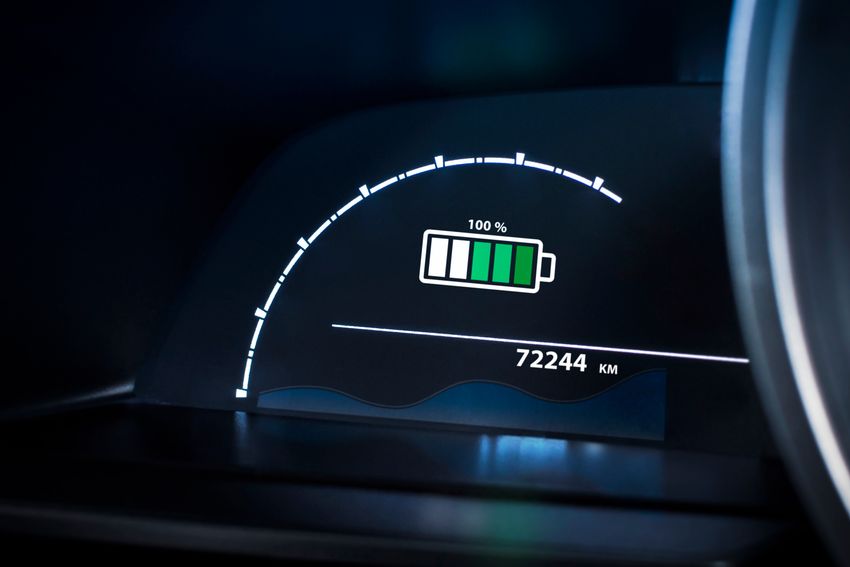
If there’s one simple behaviour that supports long term battery health, it’s this. Try to keep most of your EV charging between 20-80%.
Why this range matters
EV batteries are often described in terms of cycles. A full cycle is roughly using the battery from 0-100% and back again. The more full cycles you rack up, the more wear the battery experiences.
Charging your EV between 20-80% doesn’t count as a full cycle. You’re using a smaller portion of the battery each time, which helps stretch its lifespan.
There’s also a practical bonus. That middle band is usually where charging is fastest and most efficient. Once you get above about 80%, charging slows down noticeably. At very low levels of battery, it can slow as well.
So, you’re getting two benefits at once. You’re being kinder to the battery and you’re spending less time waiting.
How to use this in real life
- Set your home charging limit at around 80% for everyday driving
- Top up beyond that only when you genuinely need the extra range
- Don’t stress if you occasionally go higher or lower on a trip - it’s a guideline, not a rule
Temperature matters more than charger type
Batteries don’t like extremes of heat or cold. That doesn’t mean driving in summer or winter is damaging your battery every time you get in the car. It just means you’ll notice a bit less range and slightly slower charging because the car is using energy to keep the battery within its ideal temperature window.
In very hot or cold conditions, charging can take longer than the headline figures suggest. That’s normal and it’s the system doing its job!
Practical tips for hot and cold conditions
- Allow a bit more time for charging in peak summer and winter
- Use pre conditioning if your car supports it, especially before fast charging
- Avoid arriving at a charger with a very low battery when it’s very cold
These small adjustments keep the experience predictable and reduce stress on the battery.
Fast charging isn’t the villain it’s made out to be
There’s a persistent myth that DC fast charging automatically damages EV batteries. In reality, modern batteries with proper thermal management don’t really mind whether the energy comes from AC or DC, as long as the battery temperature is within its normal operating range.
The stories about heavy degradation mostly come from very early EVs that didn’t have active cooling systems. And many of those cars have lasted longer than expected.
When AC charging makes sense
AC charging is perfect when you’re parked for a while. Overnight at home or anywhere you’re already stopping for a few hours. It’s less about being gentler on the battery and more about a better use of your time.
Plug in, walk away and come back to a full enough battery.

When DC charging makes sense
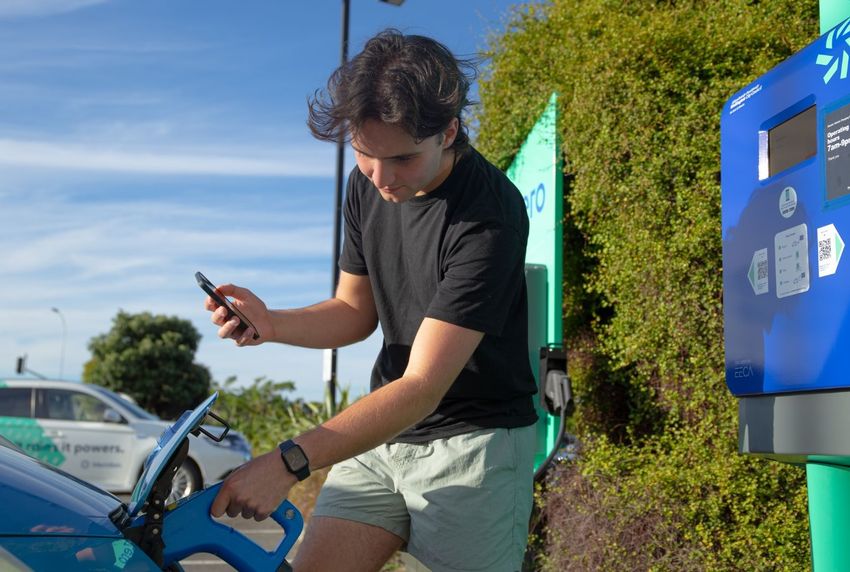
DC charging is for travel. It gets you back on the road quickly and works best when you’re topping up in that 20-80% window.
The battery friendly approach isn’t avoiding fast charging. It’s using it strategically and not sitting at very high charge levels on a fast charger unless you genuinely need to.
Match your car to the charger
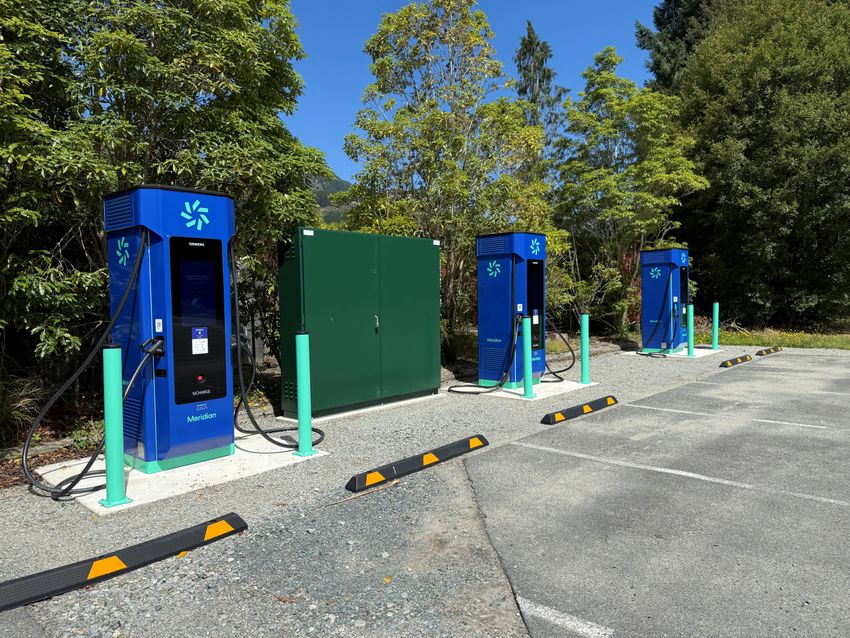
Faster kW chargers don’t automatically mean faster charging. Your car has a maximum charging rate and if the charger can deliver more than that, you won’t see any extra benefit.
If your car can only accept 70 or 80 kW, plugging into a 300 kW charger won’t magically make it faster. In some networks, higher powered chargers can also cost more, so chasing the biggest unit can actually be a false economy.
A bit of research on your vehicle’s charging capability helps you choose stops that make sense for both time and cost.
Driving style is battery care in disguise
How you drive has a direct impact on how often you need to charge and how hard the battery has to work.
Smooth acceleration helps
EVs deliver instant torque, which is fun and addictive! But if you’re constantly accelerating hard, you’ll use more energy and end up charging more often. That doesn’t just affect your running costs. It increases the number of charge cycles over time.
You don’t have to drive slowly. Just aim for smooth, progressive acceleration where you can.
Use regenerative braking properly
Regenerative braking turns slowing down into energy recovery. Different cars handle this differently. Some use strong one pedal driving where lifting off the accelerator slows the car significantly. Others blend regenerative braking into the brake pedal before using the friction brakes.
Many vehicles let you adjust the strength. Higher regenerative braking feels more like engine braking and lower feels more like coasting.
Understanding how your system works helps you drive more smoothly and recover more energy, especially on hilly routes.
Tyres and real world wear
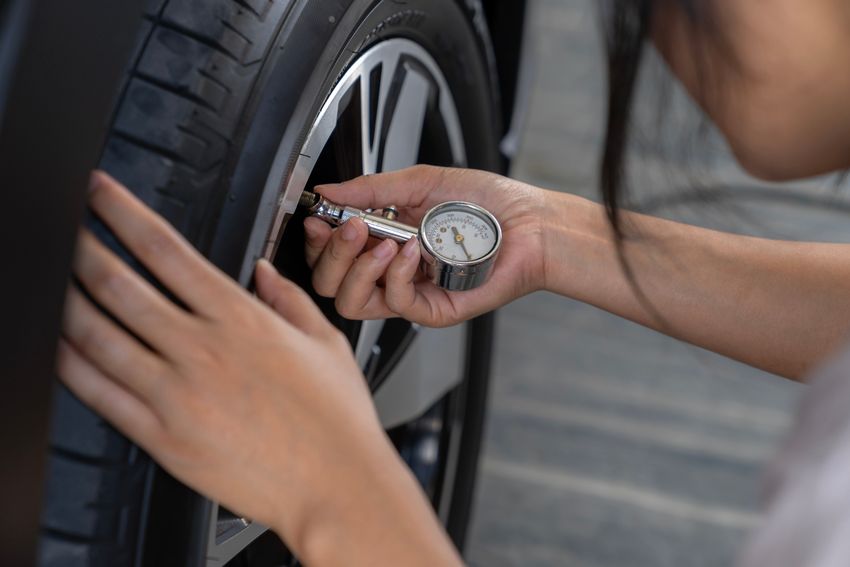
If you want a simple maintenance habit that genuinely improves range, check your tyre pressures regularly.
Under inflated tyres create more rolling resistance, which means the motor needs more energy to move the car. That reduces range and increases how often you need to charge.
It’s also a quick way to spot issues early. A slow leak, a puncture or uneven wear can all show up in tyre pressure checks.
Before a road trip, tyre pressure is one of the first things worth looking at.
EVs are also often heavier than their petrol equivalents and deliver torque instantly. That combination can wear tyres faster if you drive aggressively.
Smooth driving doesn’t just help the battery. It helps your tyres last longer too. That’s one of those hidden maintenance benefits that shows up over time.
Road trip habits that support battery health
Long drives are when people worry most about battery performance. In reality, the same habits that make road trips easier also support the battery.
Plan with a buffer
If your car is rated for 300 km, stopping around 200 gives you flexibility. You’re less likely to arrive with a very low battery and you’ve got options if a charger is busy or out of service.
Expect slower charging in extreme weather
Hot days, cold mornings and fully loaded cars all affect energy use. Allowing extra time means you won’t feel pressured to charge right to the top just to feel comfortable.
Don’t obsess over the numbers
Dropping below 20% occasionally won’t harm your battery. It’s only an issue if it becomes your everyday pattern.
Battery technology is improving quickly
Lithium batteries will remain the main technology for the next few years, but solid state batteries are on the horizon. They promise better thermal stability, improved safety and the ability to handle more charge cycles.
For today’s EV drivers, the important takeaway is that current battery systems are already far more durable than early predictions suggested.
The habits that actually matter
You don’t need to overthink battery care. A few consistent behaviours make the biggest difference.
- Charge between 20-80% most of the time
- Avoid sitting at very high charge levels on fast chargers unless you need to
- Be aware of temperature impacts in peak summer and winter
- Match your car’s charging capability to the charger you choose
- Drive smoothly and use regenerative braking to your advantage
- Check your tyre pressure regularly, especially before longer trips
- Stop a bit earlier on more remote routes so you keep a buffer
EV batteries are designed to be used, so keep them in their comfort zone most of the time while enjoying the drive! Do that and your battery will look after you for the long haul.