Public EV charging etiquette that keeps everyone moving

Public EV charging in New Zealand has developed its own rhythm. You pull in, plug in, grab a coffee, check your route, maybe have a quick chat with another driver, then carry on. It’s a very different feel to the old petrol station dash, and when it works well it becomes part of the journey rather than a disruption.
That experience relies on one simple idea. Chargers are a shared resource. The more drivers treat them that way, the smoother road trips become for everyone.
As EV numbers grow and the public charging network continues to expand, etiquette isn’t about rules for the sake of it. It’s about keeping chargers available, reducing queues and making sure people can rely on the infrastructure when they need it.
The number one rule - move on when you’re done
The most common issue at public chargers is vehicles staying plugged in after charging has finished.
Most EVs lock the charging cable to the car while the session is active. Once charging stops, that connector is still physically attached until the driver unlocks the vehicle. That means the charger can’t be used by anyone else, even if the battery is already full.
Most charging apps will send two notifications:
- One when you’re almost finished
- Another when the session is complete
That second notification is your cue to head back. Unplug, move your vehicle and free the bay for the next driver.
It sounds simple, but it’s the single biggest thing that keeps sites flowing. And a massive source of frustration if it’s not followed.
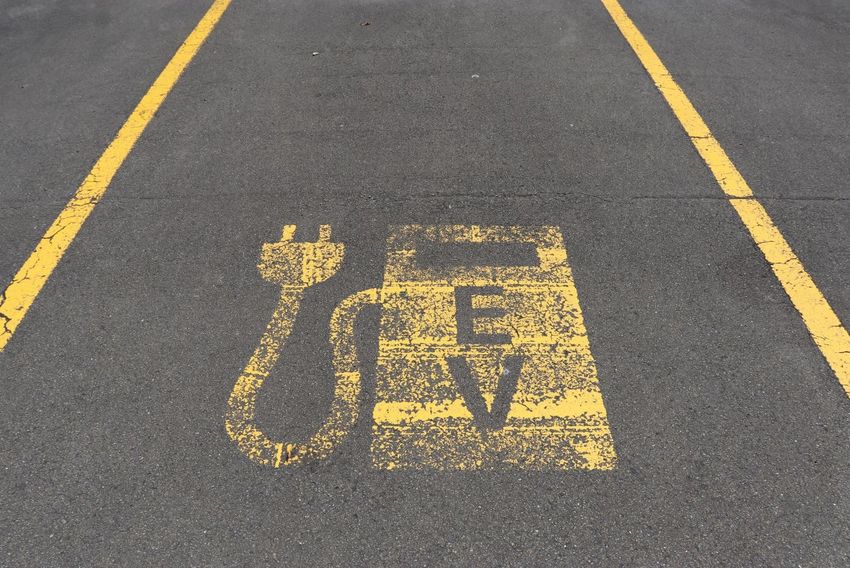
A charger isn’t a car park
Charging bays aren’t designed for long stays once you no longer need energy. Treating them like regular parking spaces is one of the quickest ways to create queues, especially in busy cities, popular travel stops and holiday pinch points.
If you’re planning to stay longer at a location, it’s worth moving your car once you’ve finished charging and parking somewhere else. That small step helps multiple vehicles get through the same site in a day.
Take what you need for the next leg
One of the biggest mindset shifts with EV driving is moving away from the idea of always charging to 100%.
Fast chargers are there to get you back on the road. Charging beyond what you need for your next stop usually adds time for you and for anyone waiting behind you.
Charging between 20-80% is typically the fastest and most efficient part of the session. It also keeps the charger available for others sooner.
A practical approach is to think in terms of the next destination rather than a full battery:
- Add enough range to reach your next planned stop comfortably
- Skip the extra top up if you’ll be parked somewhere with slower charging later
- Keep the site moving rather than aiming for maximum percentage every time
It benefits everyone, including you!
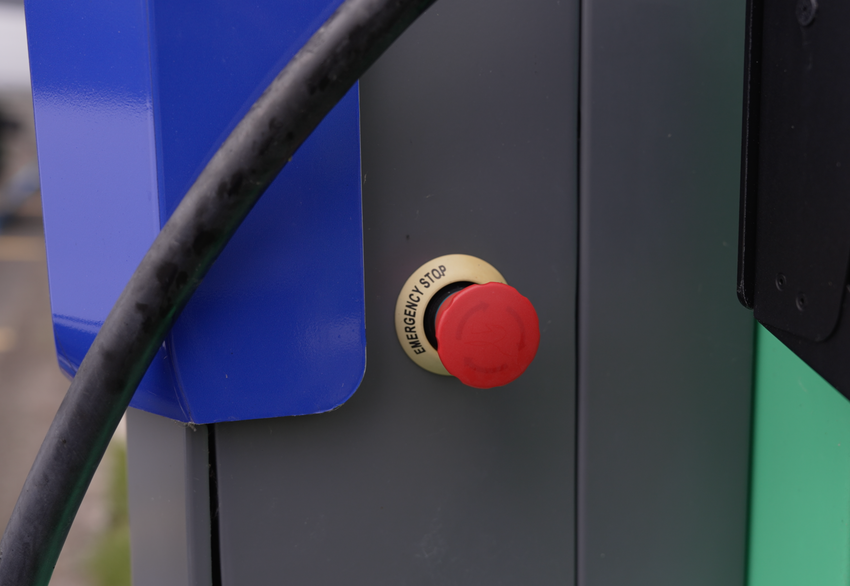
Use the emergency stop only when it’s actually needed
The emergency stop button is there for genuine safety situations or faults. Using it as a shortcut to end a session can create confusion and reduce charger availability.
If the emergency stop is pressed and left engaged, the charger may appear out of service to the next driver. They may assume it’s broken and leave, even though it would have worked if it had been reset.
If you need to use it, reset it before leaving so the charger is ready for the next person.
Park on the correct side for your connector
Many rapid charging sites offer both CCS and CHAdeMO connectors, often positioned on different sides of some units and colour coded.
Parking on the wrong side can block access to the second connector or force cables to stretch awkwardly across the front of the charger. That can stop another EV from charging at the same time.
Before you plug in, take a quick look at which connector your vehicle uses and line up accordingly. It’s a small detail that makes a big difference to site efficiency.
Queue clearly and keep it friendly
When a site is busy, most drivers follow a simple first in, first served approach. Clear and respectful queueing avoids confusion and keeps things calm.
A few easy habits help:
- Park in a way that shows the order of arrival
- Stay nearby so you can move promptly when a bay frees up
- Let other drivers know if you’re next
It’s not about formal lines or strict rules. It’s just about making the order obvious and being considerate.
Match your car to the charger
Not every EV can use the full output of the highest powered chargers. If your vehicle can only accept a lower charging rate, using an ultra high powered unit may not make your session any faster.
In some networks, higher powered chargers can also cost more. That means using them unnecessarily can increase costs without saving time.
Choosing a charger that suits your vehicle’s capabilities helps the network work more efficiently and keeps the highest capacity units available for cars that can actually use them.
Keep the site tidy and accessible
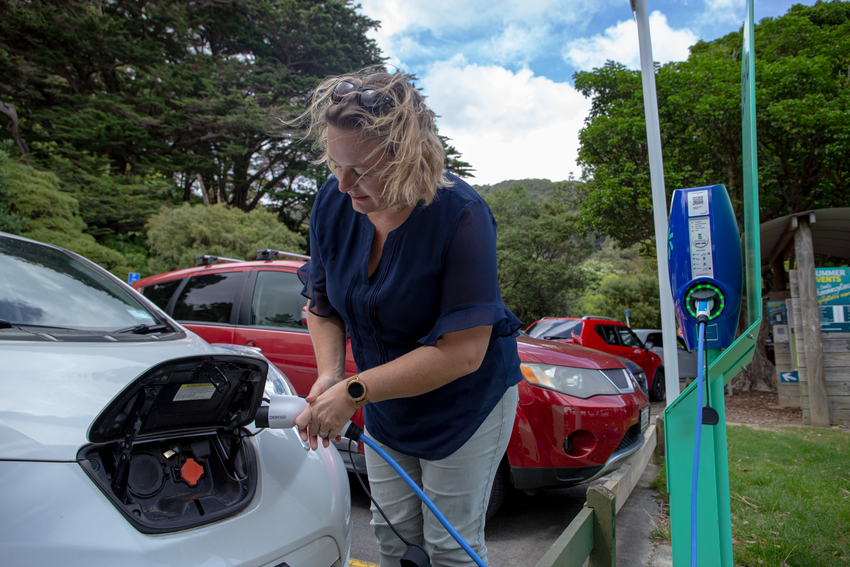
Charging locations are shared public spaces. Many are near cafés, shops, walking tracks or scenic spots, which makes them great places to take a break. Leaving the site in good condition helps everyone.
- Return the connector to its holder
- Take your rubbish with you
- Avoid blocking access routes or footpaths
A tidy, accessible site is safer and easier to use for the next driver.
Report faults when you see them
Public chargers are monitored, but they’re still unattended assets. If you notice something that doesn’t look right, reporting it through the charging app or helpdesk helps get it fixed faster.
Common things worth reporting include:
- A connector that won’t start a session
- A screen showing an error message
- Visible damage to cables or hardware
A quick report can save other drivers from unnecessary detours and help operators keep the network reliable.
Be patient at predictable bottlenecks
Some locations are always going to be busier than others. Major routes, holiday weekends and rush hour travel peaks can create temporary queues.
A bit of planning can make a big difference:
- Shift your departure time slightly to avoid peak arrivals
- Expect busier sites at well known travel pinch points
- Build a small buffer into your range so you’re not forced to wait at one specific charger
Charging culture works best when drivers expect these patterns rather than being surprised by them.
Help new EV drivers when you can
EV charging is straightforward once you’ve done it a few times, but the first session can feel unfamiliar. Starting a charge, unlocking a connector or navigating a new experience can take a moment.
There’s a strong community spirit among EV drivers in New Zealand. Offering a quick tip to someone who looks unsure keeps the queue moving and makes the experience more welcoming.
Most experienced drivers have been helped at some point themselves.
Understand the difference between charging and parking time
A common source of frustration is when the driver is nowhere nearby and can’t move their vehicle when charging finishes. Staying within easy reach of your car means you can unplug promptly and keep things flowing.
It doesn’t mean you can’t go for a walk or grab a coffee. It just means being aware of how long your session will take, keeping an eye on the notifications from your charging app and heading back when it’s nearly done.
Plan for remote routes
In areas with fewer chargers, etiquette becomes even more important. Stopping more frequently and charging for shorter periods keeps you flexible if one site is busy or unavailable.
Arriving with a buffer rather than running the battery very low also reduces pressure on both you and the network.
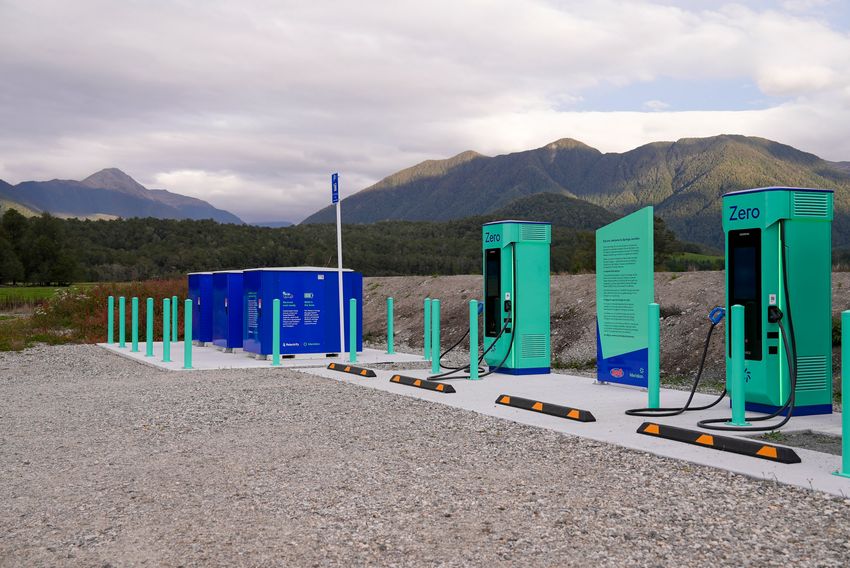
The small habits that make the biggest difference
You don’t need a long list of rules to be a good charging Kiwi. A few consistent behaviours make the experience better for everyone.
- Move your vehicle once charging finishes
- Unlock the car so the connector can be removed
- Charge for the next leg rather than aiming for 100% every time
- Use the emergency stop only for genuine issues and reset it afterwards
- Park on the correct side for your connector type
- Queue clearly and respectfully when sites are busy
- Report faults through the app or helpdesk
- Leave the site tidy and accessible
A shared resource that works best when everyone plays their part
Public charging is still growing and every charger matters. Good etiquette increases the effective capacity of the network without adding a single new unit.
When drivers take what they need and move on promptly, more vehicles can use the same infrastructure each day. That reduces wait times, improves travel confidence and keeps road trips running smoothly.
It’s a simple idea. Treat a charger like the shared resource it is and the network will work better for everyone.