The economics were already there: The world just made them impossible to ignore
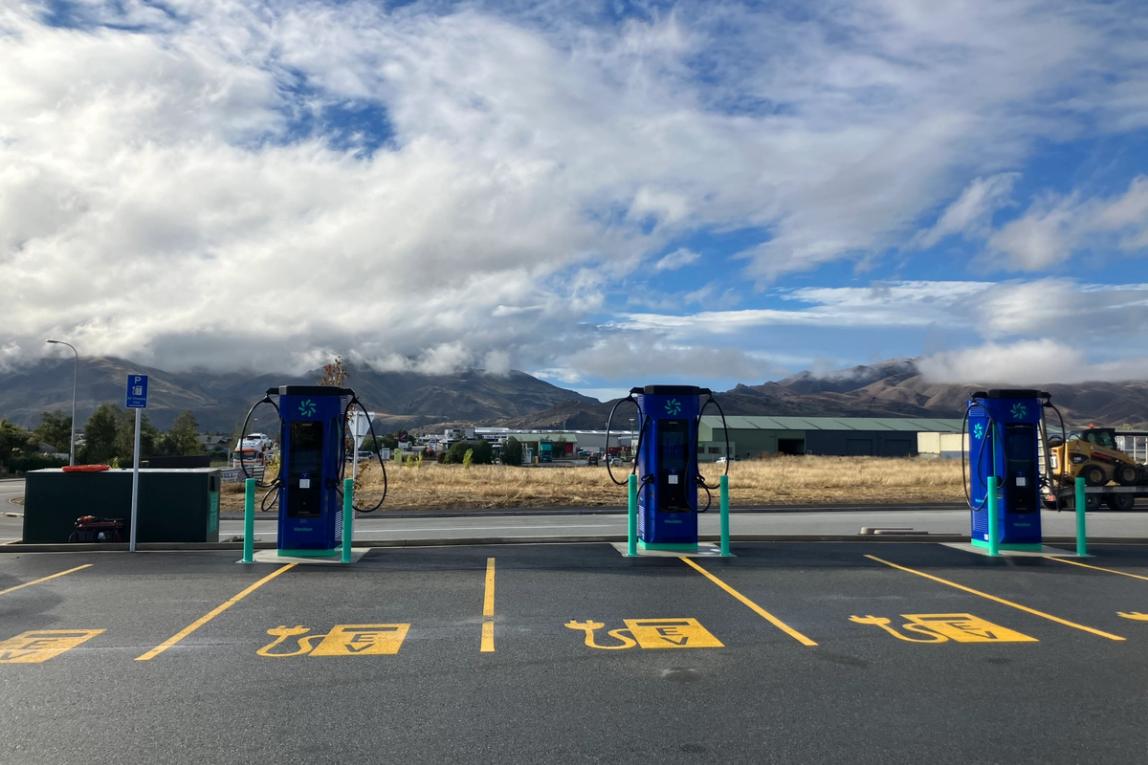
For many New Zealanders, the disruption to global oil supplies has come as a genuine shock. Petrol queues, steep prices, supply uncertainty and a sudden awareness of just how exposed we are when the fuel that runs the country gets complicated. It's unsettling.
But here's the thing: nothing fundamental has changed about the case for electric vehicles. That case was already solid. Events overseas have just made it harder to look away.
Tim Calder, Principal Product Manager at Meridian Energy and a board member of Drive Electric, puts it plainly.
"The economics and the story have been there the whole time," says Tim. "It's a shame it’s taken something this significant to bring it back into focus."
A flip in the conversation
There's an interesting switch happening in how Kiwis talk about EVs. The old hesitation of, ‘what if I can't find a charger’, or ‘what if I get stranded’, was really about petrol infrastructure being more reliable. Predictable. Certain.
That certainty has wobbled now. For a lot of people, the conversation has quietly flipped. Where fossil fuels once felt like the safe bet, its fragility is visible in a way it wasn't before. The same instinct that once kept people in petrol vehicles is now nudging them toward electric.
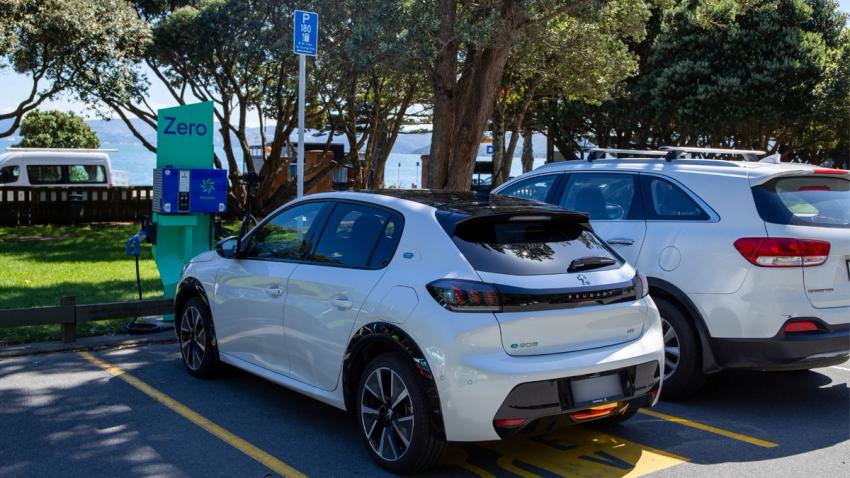
Reports from EV dealers around the country in recent weeks following supply disruption headlines pointed to a significant spike in enquiries and sales, with some dealers describing it as among their busiest periods on record.
"My gut feel is that it's those who were probably already considering it and have just brought that purchase forward," says Tim. "It'd be great if it was also people starting to consider an EV for the first time."
"We think about energy security and resilience when events like Cyclone Gabrielle hit and then we don't think about it again," says Tim. "We think about switching to EVs over petrol now, but the reason why we should has been there for a long time."
Now’s the time
New Zealand has already crossed what researchers call the electrification tipping point. That's the point at which switching to electric, including vehicles, is cheaper than continuing with fossil fuels, even when borrowing costs are taken into account. That was true before global oil markets got complicated. It's even more true now.
"It blows my mind that the uptake isn't there already," says Tim. "EVs are the trifecta: better for your wallet, better for the environment, better performance, better for fuel security. It's more than a trifecta. It's a win, win, win, win."
So what's held people back? Part of it’s the upfront cost. The sticker price of an EV is still higher than a comparable petrol vehicle for many buyers and that gap is what most people see first. The ongoing savings: on fuel, on maintenance and on the total cost of ownership over time, are real, but they require a level of financial breathing room to access in the first place. Green loans and other financing options are emerging to help bridge that gap, but they don't yet reach everyone who needs them.
For those who can make the numbers work, the case is increasingly hard to argue against. When the Clean Car Discount was in place, it brought that upfront barrier down and uptake surged. The lesson from that period is clear: when the entry point is accessible, Kiwis get on board quickly. And while at one point in time electric vehicles came with a new technology premium in the price tag, New Zealand is continually receiving new EV brands and models into the market at lower price points. The dollar for dollar comparison with ICE vehicles is much closer than ever before.
Part of the hesitation is also perception. The idea that EVs are city cars, useful for Wellington or Auckland commuters but not for everyone else, still has a grip on public thinking that the actual vehicles no longer justify.
"When somebody who can afford to goes and buys a petrol vehicle when an electric alternative could have done the job for them, that car is going to be contributing emissions for 20 years," says Tim.
The economics speak loudly.
What it actually costs to charge at home
For most EV owners, the vast majority of charging happens at home. You plug in overnight, the same way you charge your phone, and start each day with a full battery. There's no detour to a service station, no watching a fuel gauge and no transaction at the pump.
The cost of that overnight charge is one of the genuinely surprising numbers in the EV story. Meridian's time-of-use pricing means drivers who charge when grid demand is lowest can top up for somewhere between $3 and $6.50 for a typical charge (depending on the EV). As smarter tariffs roll out across the country, that's only expected to fall further with very low (or even free) pricing periods when EVs can easily be programmed to charge.
Compare that with petrol at $3 per litre, where covering the same distance in a typical mid-size car costs around $24. At $4 per litre, it's closer to $31.
It's worth being upfront about the full picture. Road user charges (RUCs) are real and should sit alongside any honest comparison — they replace the fuel excise tax petrol drivers pay at the pump without really noticing. But even with RUCs factored in and alongside substantially lower maintenance costs — no oil changes, fewer moving parts and no exhaust system — the total cost of electric ownership for most New Zealanders comes out well ahead over time.
There's also an emerging opportunity beyond just cutting costs. As vehicle-to-grid technology develops, your EV stops being purely a cost and starts becoming something that can earn from.
"It could become a bit of a revenue stream for you," says Tim. "At the same time as petrol prices rise."
The network is there when you need it
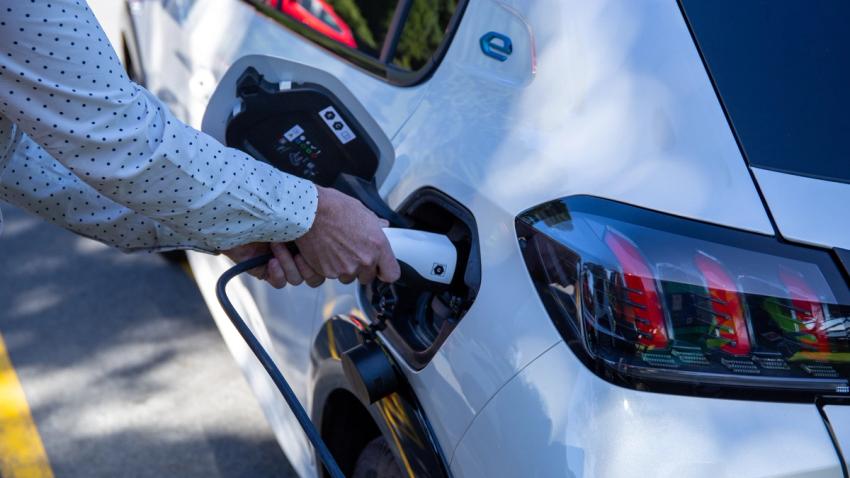
Home charging covers the day-to-day. For longer trips, public charging through the Zero network and others fills the gaps. The main highway corridors are getting well covered, with chargers spaced to suit current vehicle ranges and the national network continuing to grow.
Range itself is becoming less of a consideration with every new model that arrives. Average real-world range has roughly doubled over the past few years. Vehicles with 500 km of range are already on sale and models approaching 700 km and 800 km are on the way. BYD has signaled that vehicles arriving from 2027 will be vehicle-to-grid capable and compatible with megawatt charging, meaning five minute top-ups for those who want them.
The investment in charging infrastructure hasn't slowed, even as new vehicle sales have plateaued. That's a signal worth noting: the people building the system are treating the current lull as a short-term blip, not a change in direction.
Where New Zealand stands (and where it's heading)
New Zealand was a global leader in EV adoption. When the right policy settings were in place, uptake went from a novelty to a real trend. At its peak, close to one in five new vehicles sold was electric. We were ahead of the global average and showing what was possible.
We've slipped from that position. Other markets that maintained their incentives have moved ahead of us. But the fundamentals that made New Zealand a leader haven't gone anywhere; the renewable electricity, the charging network, the improving vehicles and the economics that increasingly favour electric over fossil fuels.
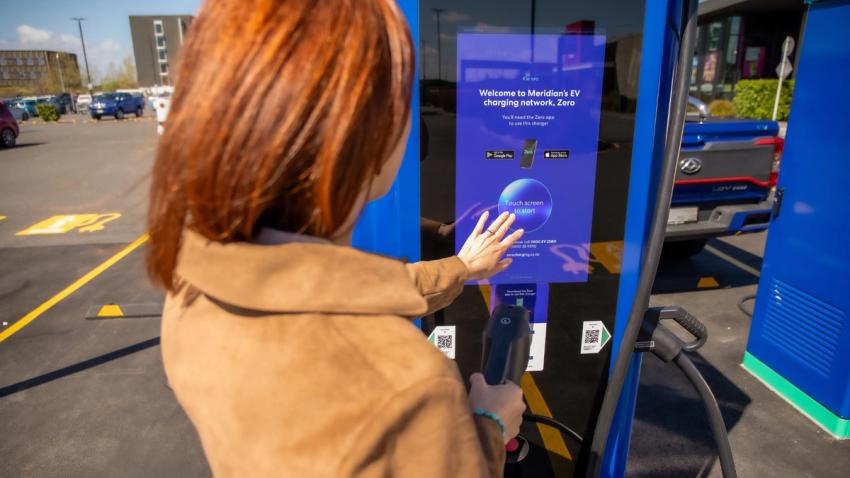
The infrastructure investment hasn't stopped. Meridian continues to expand the Zero network. New renewable generation is committed and in the pipeline. The opportunity to get back to where we were (and beyond) is right there.
Not for everyone - but for more people than most think
It's worth being honest about the limits. There’s genuine cases where EVs don't yet work as well: heavy towing, serious off-road work and very remote rural driving without charging access. Those are real constraints, not myths to be dismissed.
But most vehicles don't spend most of their time doing those things. Tim drives an EV as his primary car and keeps an older petrol seven-seater for the occasional trailer run or longer trip.
"We probably do 95% of our driving in the electric car," says Tim. "The petrol one is basically there for me to throw a trailer on when we're doing some moving or gardening."

That two-car approach isn't a compromise. It's just sensible household logistics and for the many people in that situation, the calculation is increasingly clear. The average New Zealand car journey is short. Most households have at least one vehicle that could be replaced with an EV today with no meaningful change to how they live.
"There’s lots of scenarios where it's a slam dunk economically," says Tim. "So why keep waiting? It's so real now."
The technology is here. The infrastructure is here. And now the economics have crossed the tipping point. The best time to have made the switch was a few years ago. The second-best time is now.
Zero is Meridian Energy's public EV charging network with stations across Aotearoa. Tim Calder is Principal Product Manager at Meridian and a board member of Drive Electric NZ.